Journey into Indigenous Cultures of Turtle Island
Welcome to the Heart of the Turtle. Here, we explore the rich tapestry of Indigenous spiritualities, inviting everyone to discover a deeper understanding of life and creation. Join us as we explore the diverse traditions of Turtle Island.
Beyond Western Theology
To truly grasp the spiritualities of Turtle Island, it's essential to move beyond Western "theological" frameworks. Instead, we embrace a way of being that is woven into every moment of existence, reflecting a profound connection to the land and all living things.
While the Lakota look to the Medicine Wheel for internal balance, and the Haudenosaunee look to the Great Law for political harmony, the Haida and Coast Salish look to their Ancestors and Crests to define their place in a world where the forest and the sea are alive with spirit.
Turtle Island is incredibly vast, and while we will cover just a few from the Northeast, Plains, and West Coast, there are several other major "cultural regions" with entirely different spiritual landscapes.
For example: The Inuit (The Arctic North), The Sea Goddess (Sedna), The Métis (The Homeland / Interior), and The Diné (Navajo) & Pueblo Nations (The Southwest).
We encourage you to explore further into all the Groups/Nations around Turtle Island!
Key Spiritual Concepts: Northeast and Great Lakes
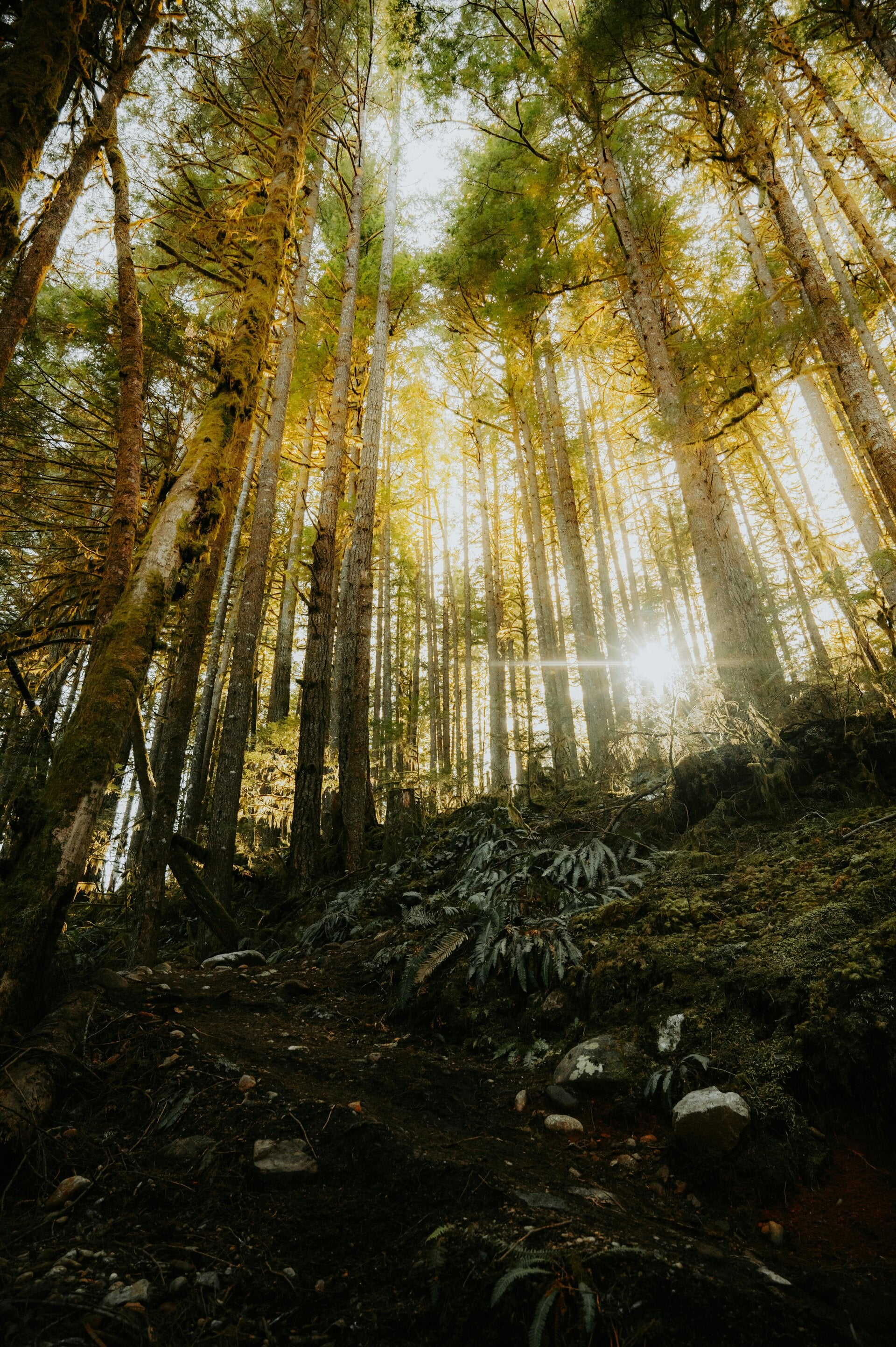
Discover the foundational spiritual concepts from the Indigenous cultures of the Northeast and Great Lakes regions. These traditions often emphasize interconnectedness, gratitude for creation, and the importance of community and ceremony.
Group/Nation: Haudenosaunee
The Great Law of Peace: A sophisticated political and spiritual constitution focusing on harmony.
The Great Law of Peace (or Gayanesshagowa) is more than just a historical document; it is the living spiritual and political soul of the Haudenosaunee (Iroquois) Confederacy. It transformed five (later six) warring nations: The Mohawk, Oneida, Onondaga, Cayuga, and Seneca, into one of the world's oldest participatory democracies.
Links for further readings:
Haudenosaunee Guide for Educators (National Museum of the American Indian)
https://americanindian.si.edu/sites/1/files/pdf/education/HaudenosauneeGuide.pdf
The Great Law of Peace (Oneida Nation)
https://oneida-nsn.gov/our-ways/great-law-of-peace/
The Great Binding Law: Gayanashagowa (Syracuse Peace Council)
Key Spiritual Concepts: The Plains
Journey into the spiritual heart of the Plains Indigenous cultures. Here, concepts of the Sacred Pipe, vision quests, and the reverence for animals like the buffalo are central to a life lived in harmony with the land.
Group/Nation: Lakota/Cree
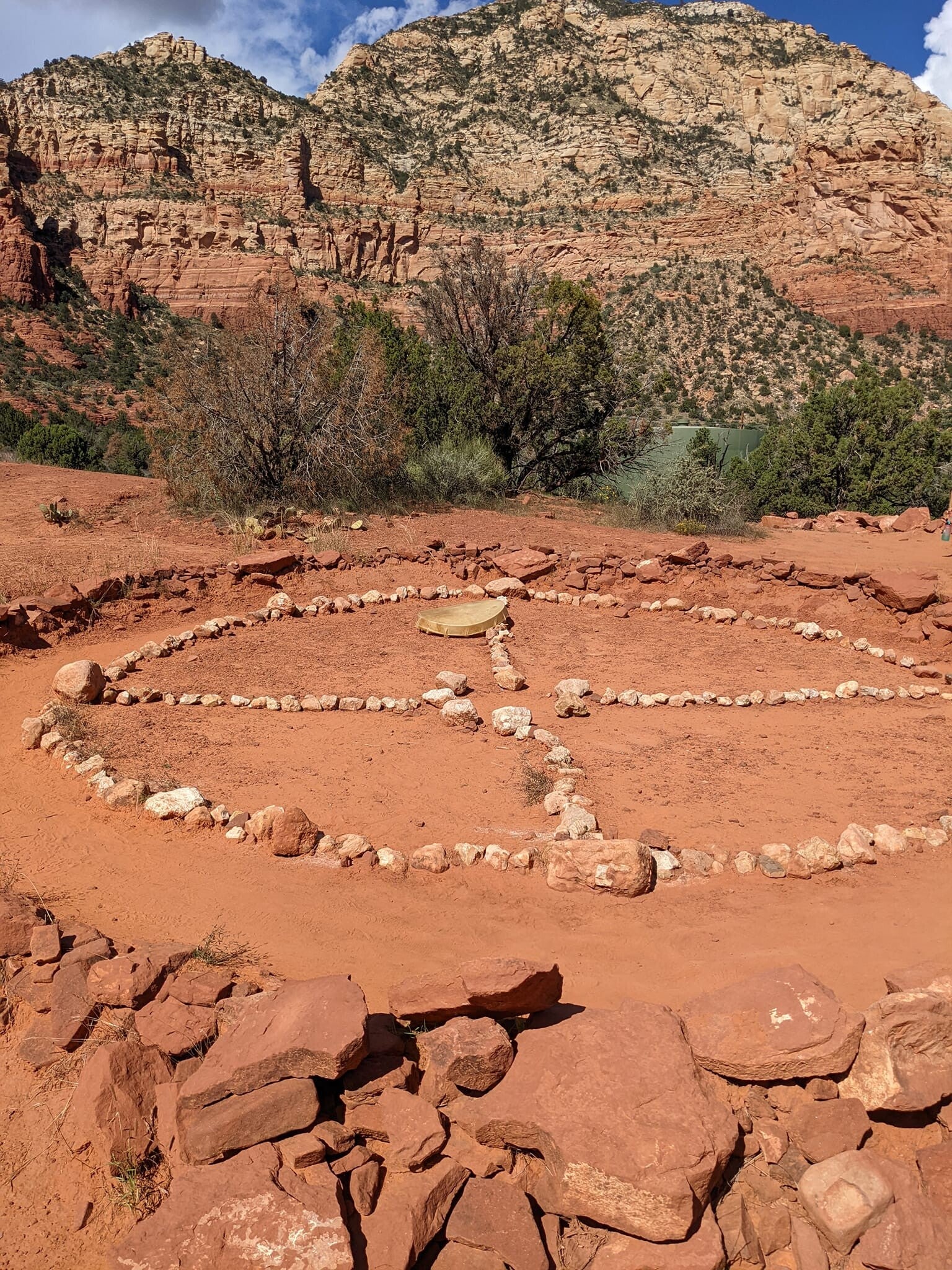
The Medicine Wheel: A symbol representing the four directions, the stages of life, and the balance of the mental, physical, spiritual, and emotional self.
Often referred to as the Sacred Hoop, it is a profound philosophical and spiritual tool used by many Plains Nations, including the Lakota (Sioux) and Nehiyawak (Cree).
While it is a physical symbol, often made of stones on the earth or depicted in art, it is primarily a "map" for understanding the universe and one's own internal balance.
Links for further readings:
The Medicine Wheel (Four Directions Teachings
https://www.fourdirectionsteachings.com/
Lakota Spiritual Teachings
https://aktalakota.stjo.org/lakota-culture/seven-lakota-values/
Key Spiritual Concepts: The West Coast
Uncover the rich spiritual traditions of the West Coast Indigenous peoples, where the ocean, cedar, and salmon play vital roles in creation stories, clan systems, and vibrant ceremonial practices.
Group/Nation: Haida / Coast Salish
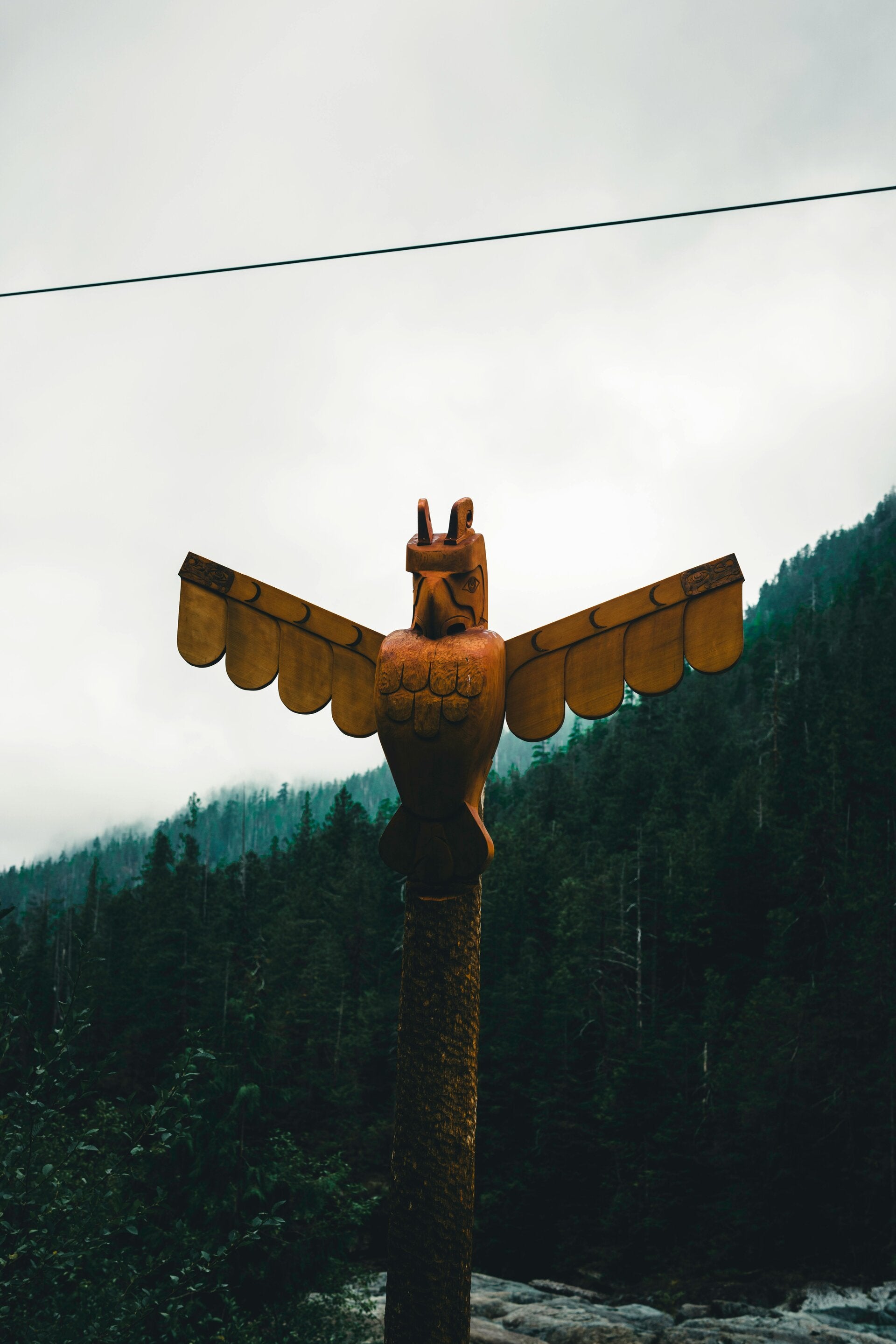
Ancestral Totems: Spirituality deeply tied to lineage, animal spirits (Raven/Eagle), and the ocean.
Spirituality for the Haida and Coast Salish peoples of the Pacific Northwest is inseparable from the land, the cedar forests, and the vast power of the ocean. Unlike the "Good Mind" of the Haudenosaunee or the "Medicine Wheel" of the Plains, West Coast spirituality is deeply hierarchical, ancestral, and crest-based.
Links for further readings:
The Haida Laas (Official Council of the Haida Nation)
Coast Salish Beliefs and Spirit Dancing (Museum of Anthropology at UBC)
Deepen your understanding
We hope this introduction has sparked your curiosity. We encourage you to explore further into the Indigenous groups located within these regions and learn more about their unique and profound spiritualities.