Heart of the Turtle: Exploring Indigenous Spiritualities and Creation
Welcome to "Our Teachings," a journey into the profound spiritual wisdom and theological richness of Indigenous cultures from Turtle Island. Here, we aim to introduce you to the core principles that guide these ancient ways of knowing and being.

Where is Turtle Island?
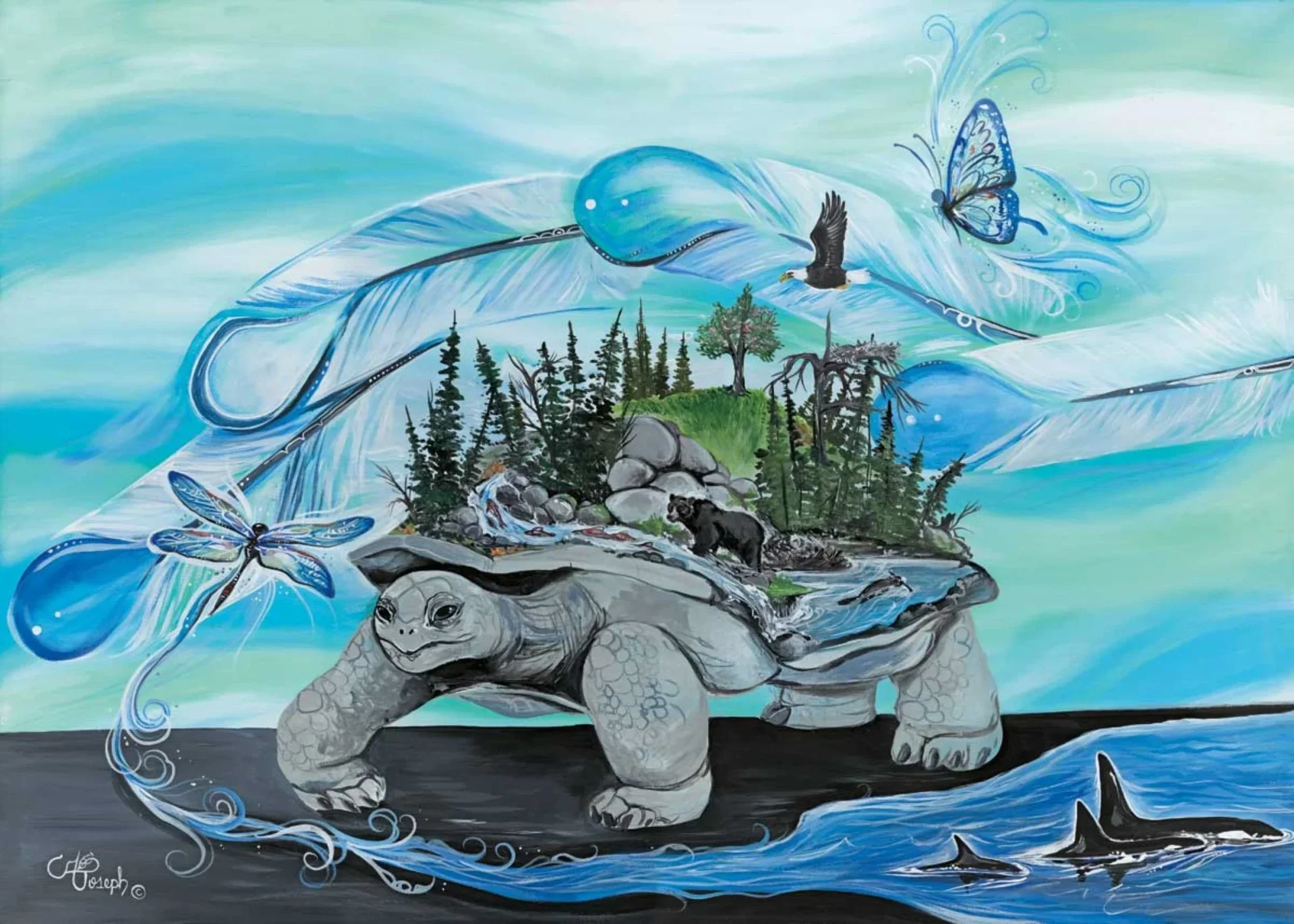
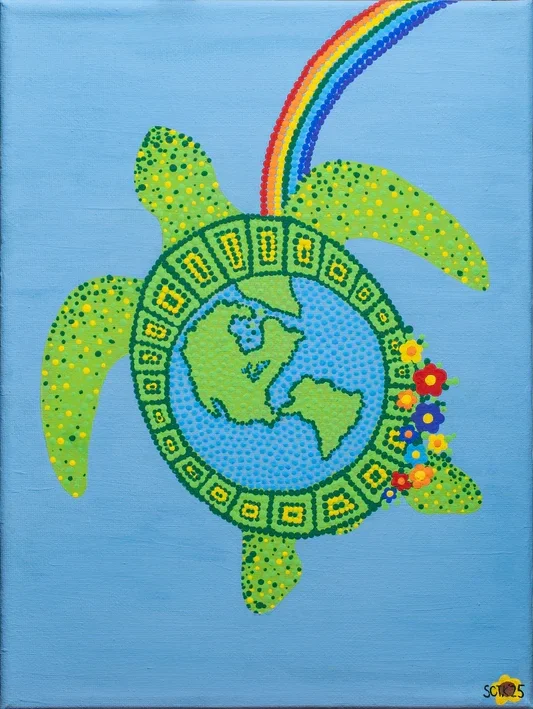
Turtle Island is a name for North America, used by many Indigenous peoples. It's more than just a geographical location, it's a profound symbol of creation stories and a deep connection to the land that shapes spiritual understanding and theological perspectives.
The term Turtle Island is a name used by many Algonquian and Iroquoian speaking peoples (such as the Anishinaabe and the Haudenosaunee) to refer to the continent of North America.
Geographically, it encompasses Canada, the United States, and Mexico. The name stems from various Indigenous creation stories where a great turtle holds the world on its back. For many Indigenous people, using the name "Turtle Island" is a way to acknowledge the land’s history and presence prior to European colonization and the imposition of colonial borders.
Indigenous Spiritualities and "Theology"
Indigenous spiritualities are diverse and deeply rooted in a relational worldview. They offer unique theological insights that often contrast with Western perspectives, emphasizing interconnectedness, respect for all life, and a profound sense of responsibility to the earth.
It is important to note that there is no single "Indigenous theology." Turtle Island is home to hundreds of distinct nations, each with its own unique languages, protocols, and spiritual practices. However, several core philosophical threads are common across many of these cultures:
- Relationality ("All My Relations")
- The Creator and Spirit
- The Seven Grandfather Teachings
- The Cycle of Care
- Sacred Medicines and Ceremony
Relationality: "All my relations"
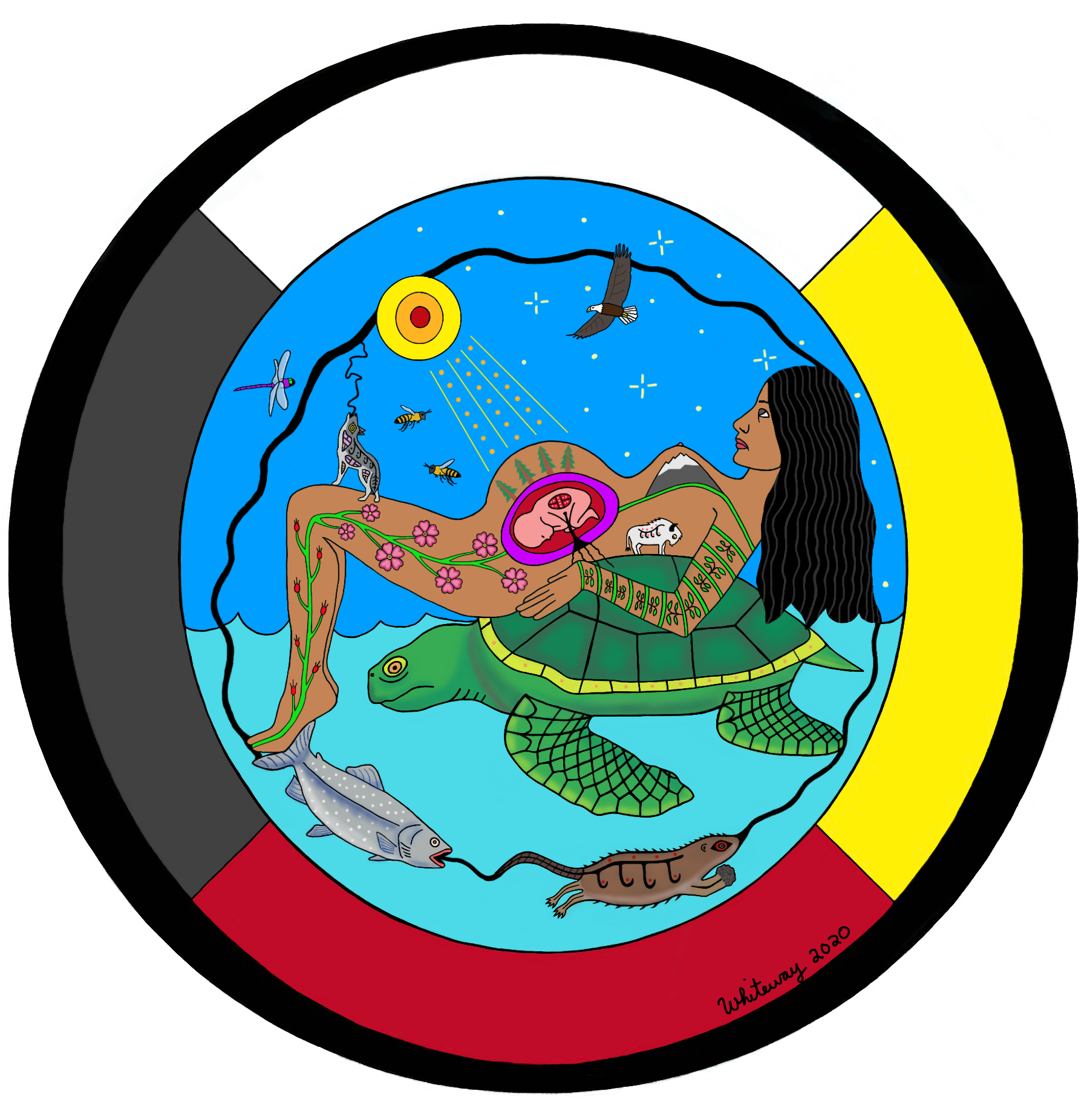
"All My Relations" (Mitakuye Oyasin in Lakota) is a central teaching that highlights the interconnectedness of all beings, humans, animals, plants, and the earth itself. This concept guides how Indigenous peoples live, interact, and understand their place in the universe.
The Creator and Spirit
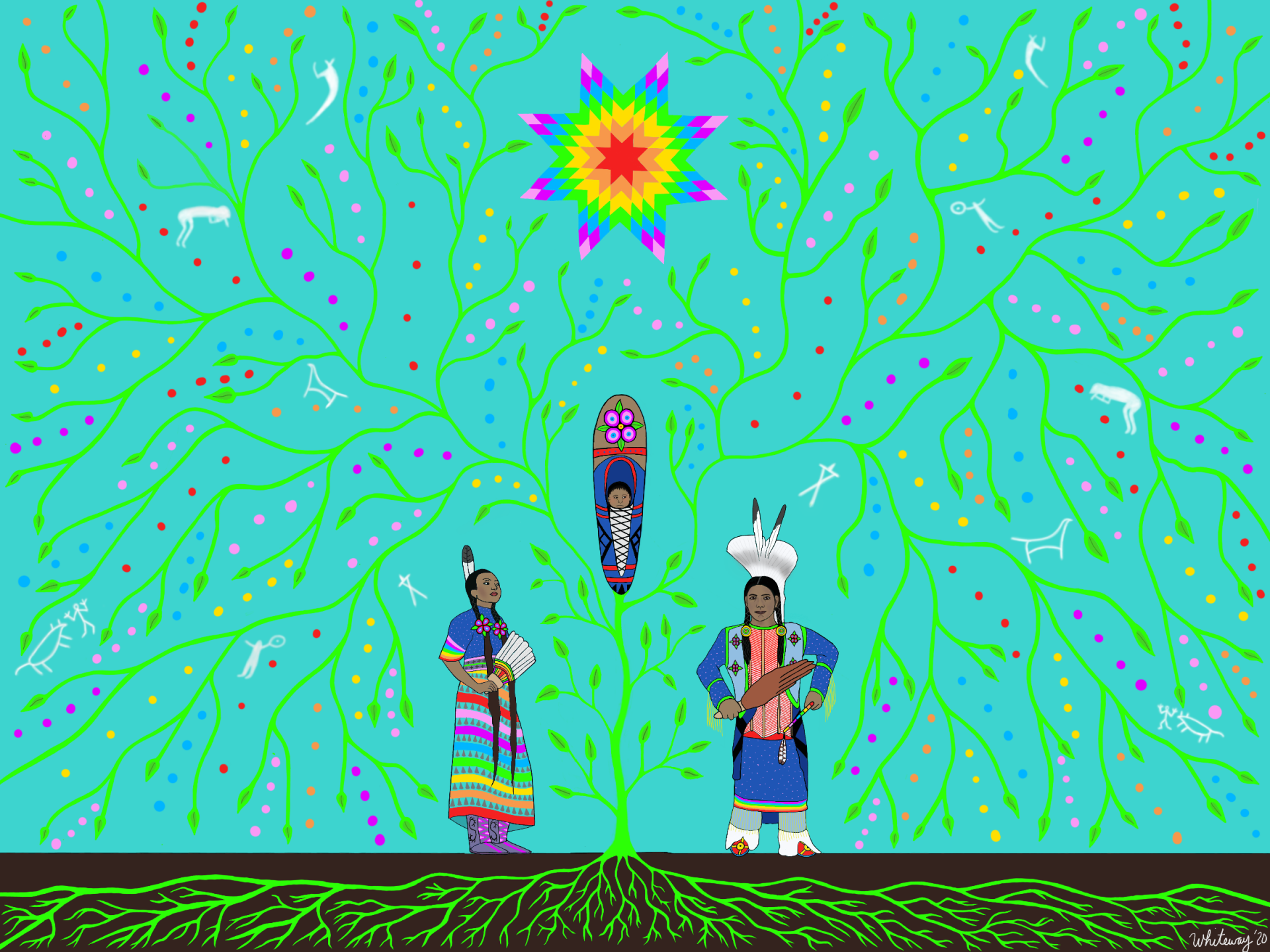
Central to many Indigenous spiritual traditions, is the belief in a Great Spirit or Creator, a pervasive life force that animates all existence. Spirituality is not confined to a building but experienced through the sacredness of nature and everyday life.
Many nations acknowledge a primary life force or "Great Spirit" (e.g., Gichi-Manidoo in Anishinaabemowin or Rawenní:io in Kanienʼkéha). However, spirituality is often expressed through daily actions and a connection to the land rather than through centralized structures.
The Seven Grandfather Teachings
Common among the Anishinaabe and adopted by many others, these are guiding principles for living a "good life" (Mino-bimaadiziwin). Each teaching is often associated with an animal and offers profound guidance on personal conduct and community responsibility.
-
Wisdom (Nbwaakaawin)
-
Love (Zaagi’idiwin)
-
Respect (Mnaadendimowin)
-
Bravery (Aakde’ewin)
-
Honesty (Gwekwaadziwin)
-
Humility (Dbaadendiziwin)
-
Truth (Debwewin)
The Cycle of Care
Indigenous cultures teach a deep understanding of reciprocity, where giving and receiving are balanced, and stewardship, where humans are responsible caretakers of the earth and its resources. This ensures harmony and sustainability for future generations.
Spirituality is tied to the responsibility of caring for the earth. This often involves the "Seventh Generation Principle," which dictates that any decision made today must consider the impact on descendants seven generations into the future.

Sacred medicines and ceremony
Sacred medicines like tobacco, cedar, sage, and sweetgrass are used in ceremonies to connect with the spirit world, offer prayers, and purify. Ceremonies are vital for community cohesion, healing, and maintaining spiritual balance.
While specific rituals vary, many nations use sacred medicines. Ceremonies like the Sun Dance, Potlatch, or Sweat Lodge to maintain balance between the physical and spiritual worlds.
We encourage you to explore these foundational teachings further and deepen your understanding of the rich spiritual heritage of Turtle Island. For more resources, visit our Resources page.